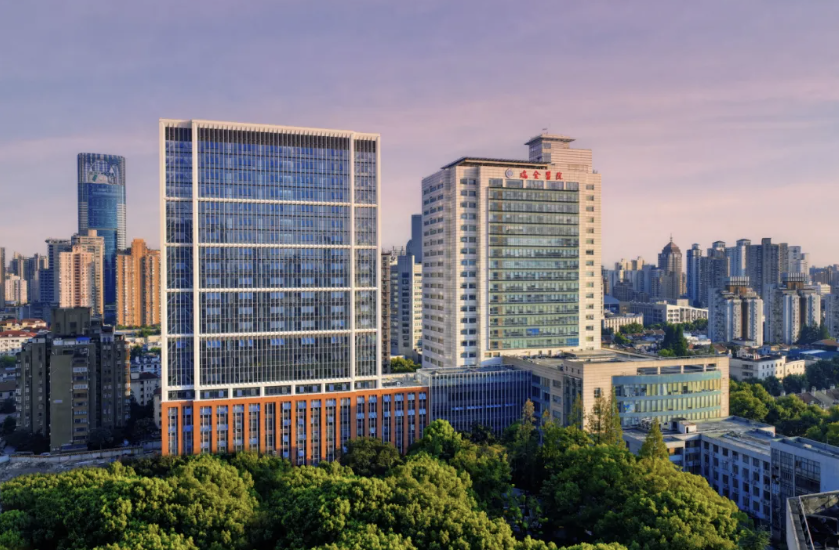
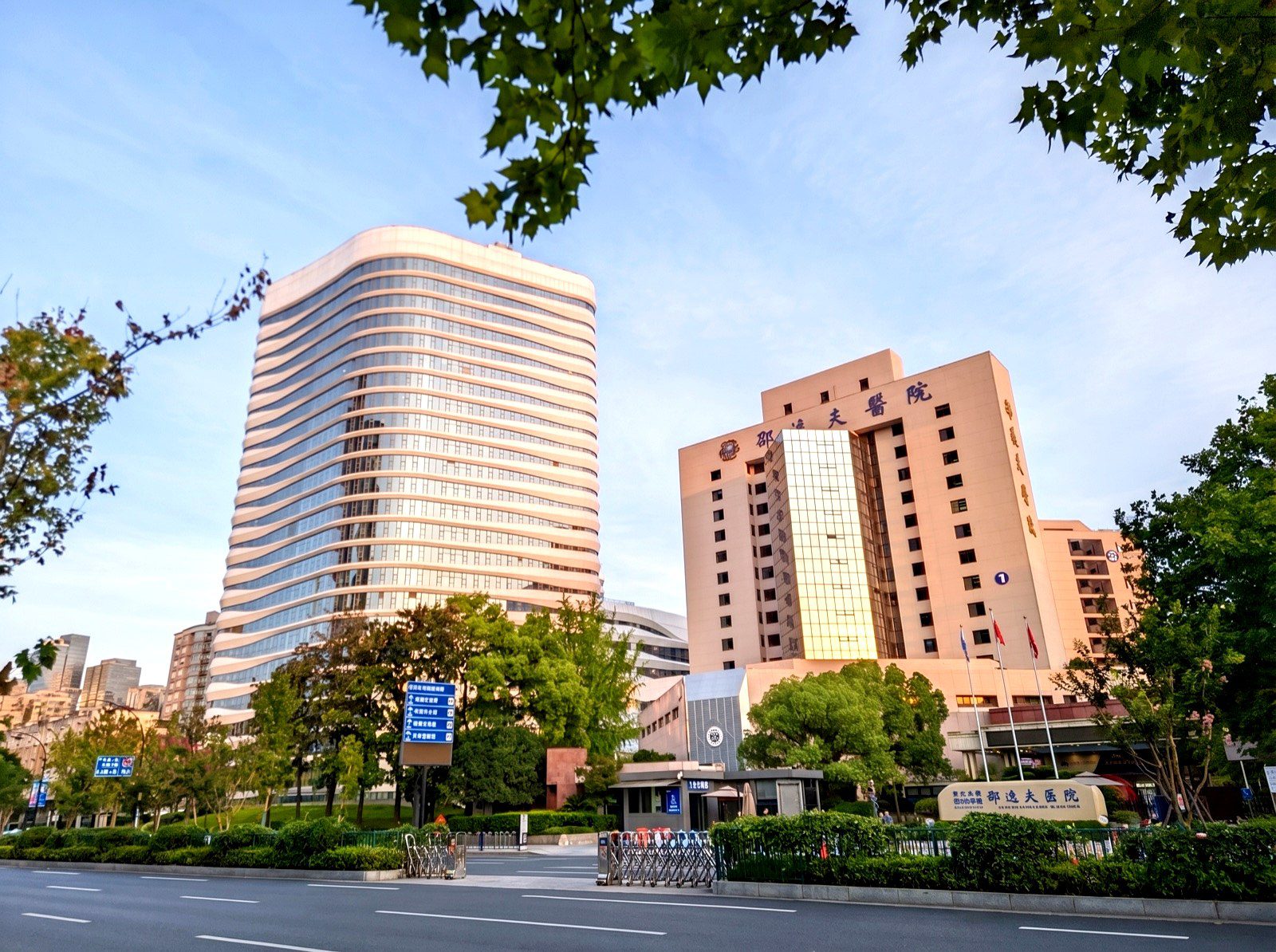
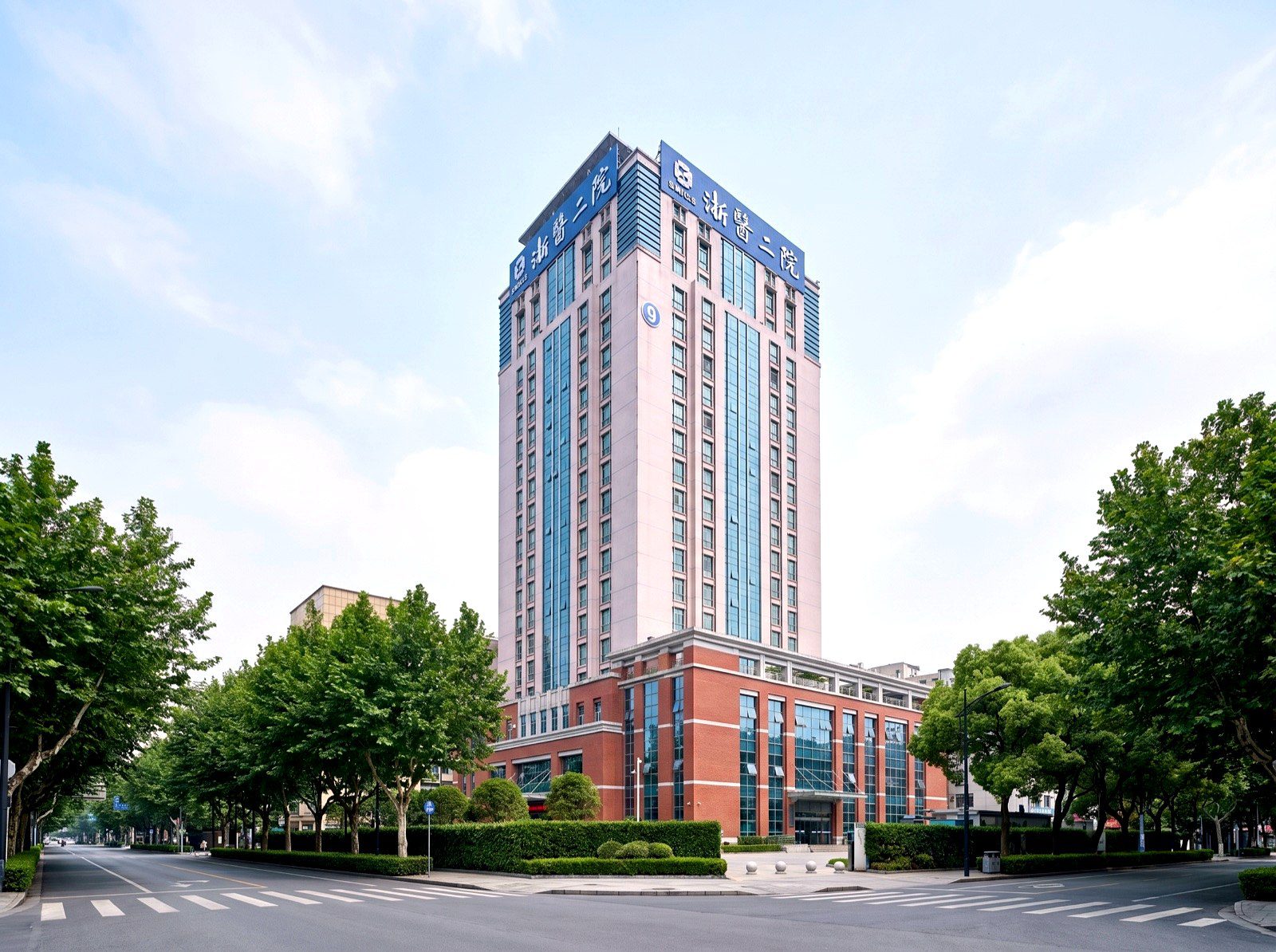
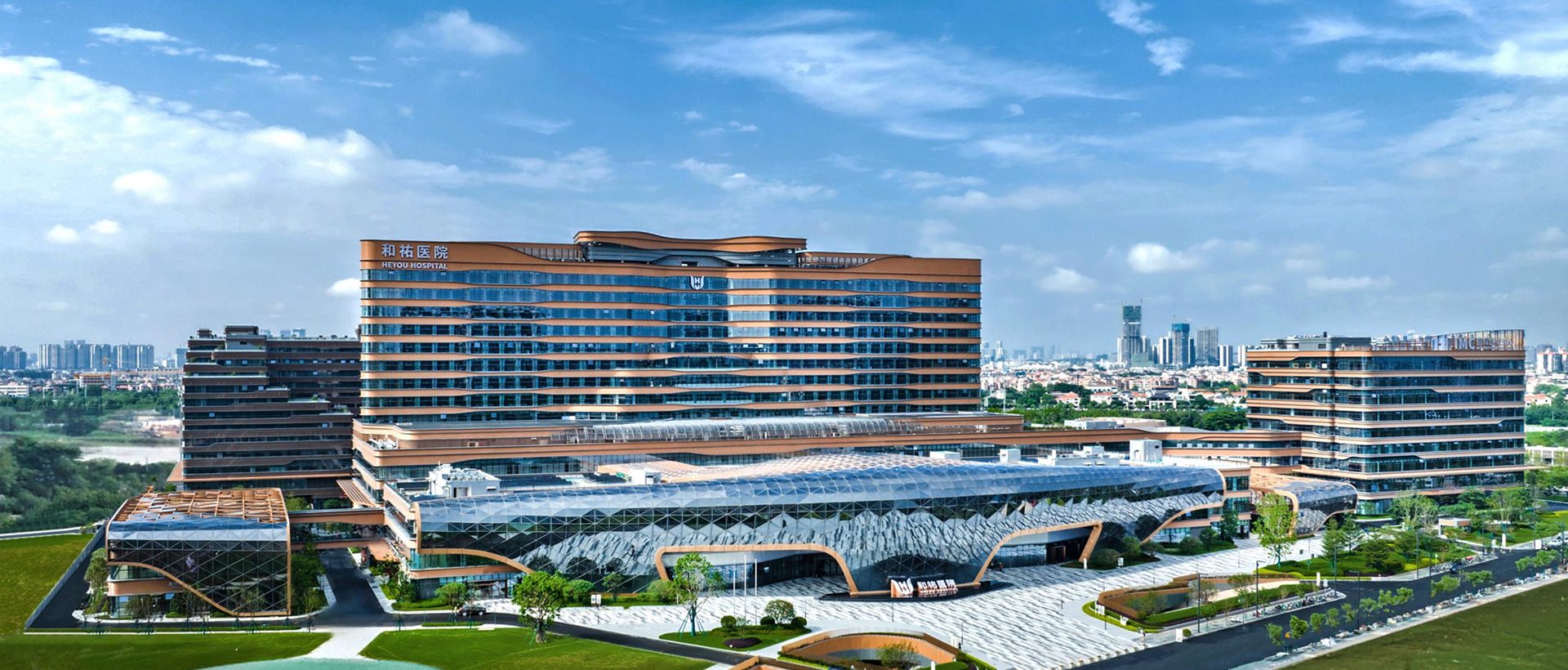
Founded in 1907, Ruijin is a Class A Tertiary general hospital with 46 clinical departments, 4 National Key Disciplines and 22 National Key Clinical Specialties. It excels in metabolic diseases (National Clinical Research Centre for Metabolic Diseases — Endocrinology & Metabolism Centre), haematological oncology and haematopoiesis (jointly with the Shanghai Institute of Hematology), and precision medicine and medical genomics.
Key departmentsEndocrinology & Metabolism, Haematology, Cardiology, General Surgery (GI / HPB / Minimally Invasive), Burns, Respiratory & Critical Care, Neurology, Nephrology, Gastroenterology, Emergency, Nuclear Medicine, Orthopaedics, Oncology Centre, Geriatrics, Infectious Diseases, Dermatology, TCM, Gynaecology, Paediatrics, Organ Transplantation, Reproductive Medicine Centre
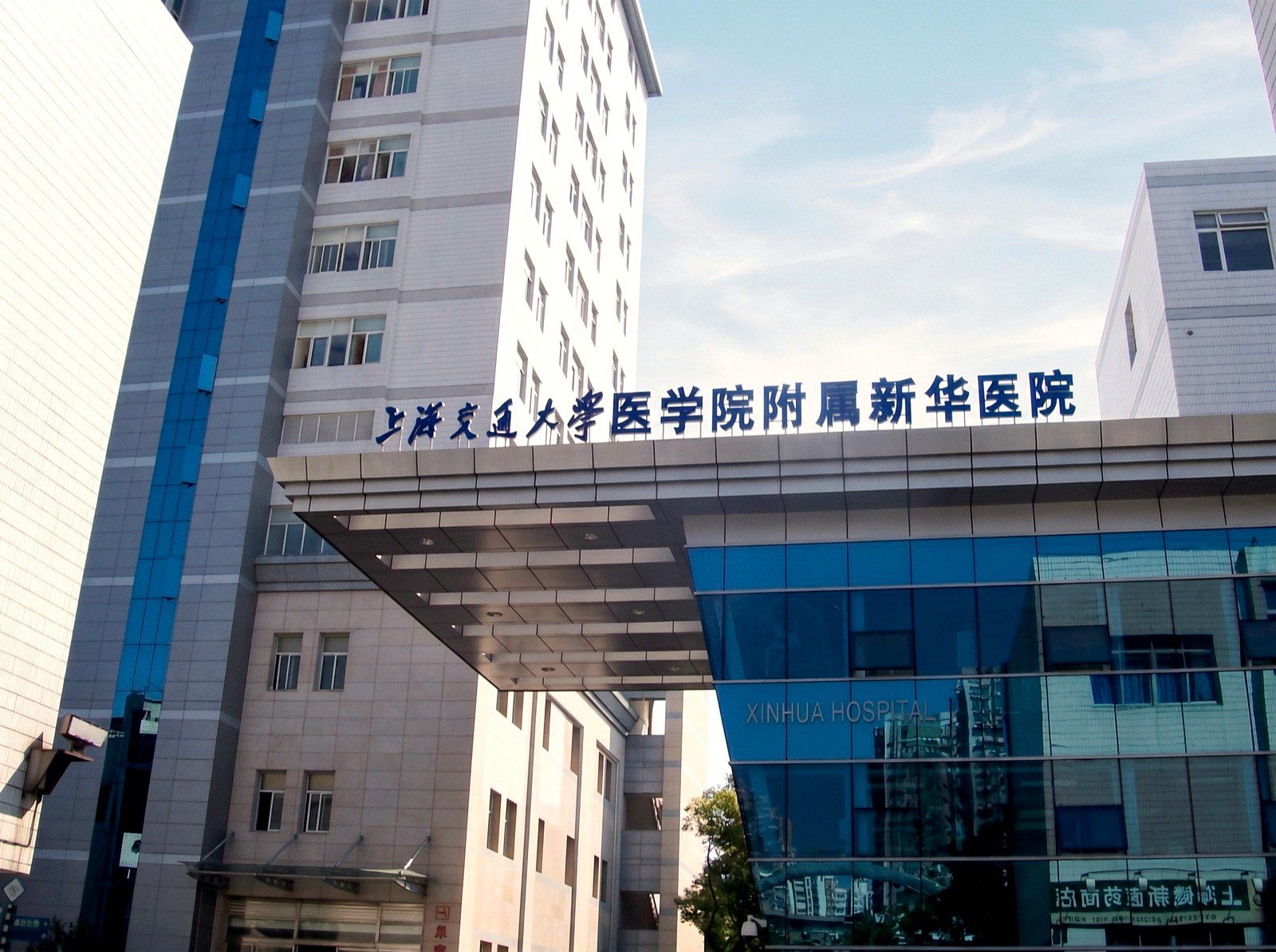
Xinhua Hospital Affiliated to Shanghai Jiao Tong University School of Medicine
The only general hospital in Shanghai with both perinatology and a complete suite of paediatric subspecialties. Home to 11 National Key Clinical Specialties including Cardiology, General Surgery, Paediatrics and Otolaryngology — Head & Neck Surgery, and one of the first national demonstration bases for early childhood development.
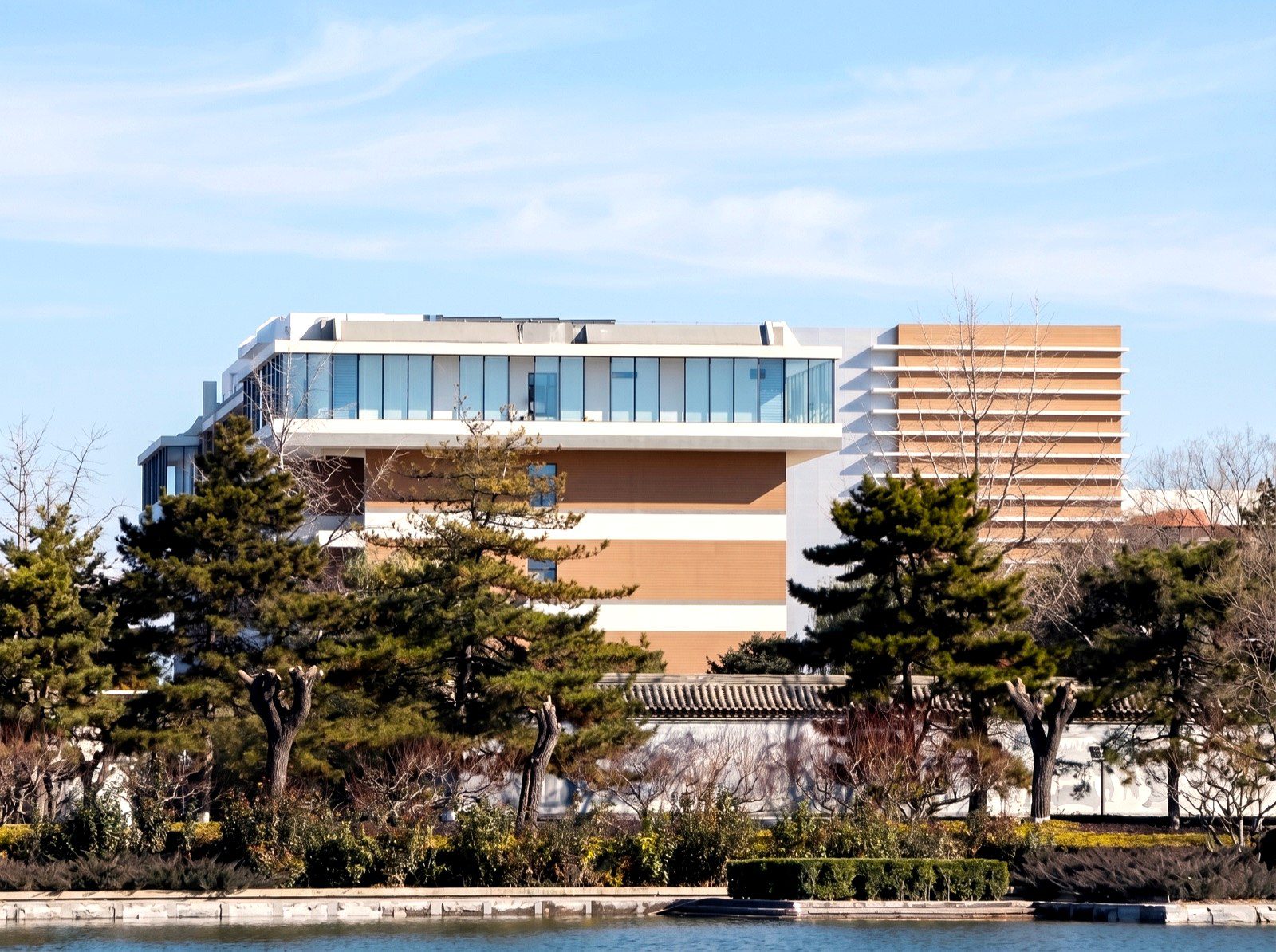
Arion is a Class A Tertiary cancer specialty hospital combining international-standard care, social-insurance-friendly pricing, public-sector physician teams and personalised, human-centred service. Founded in 2021, the hospital covers over 24,000 m² with 400 open beds. Its hallmark is a real-time, full-pathway three-tier multidisciplinary (MDT) model, supporting both national health insurance and domestic / international commercial insurance billing. Arion is in long-term strategic collaboration with the University of Pittsburgh Medical Center (UPMC), aligning with international cancer standards. With a CMI of 0.9, it ranks second among Beijing's cancer specialty hospitals and first among private specialty hospitals; Stage IV patients make up nearly 56% of cases, and Grade III–IV complex surgeries account for over 70%. Equipment includes GE Discovery IQ PET-CT and Varian VitalBeam linear accelerators, among other world-class diagnostic and therapeutic systems. Since opening, the hospital has served more than 67,857 outpatient visits and 16,537 inpatient admissions.
Key departmentsLung Cancer Centre, Breast Cancer Centre, Gynaecological Oncology Centre, GI Oncology Centre, HPB Oncology Centre, Urological Oncology Centre, Haematological Oncology Centre, Cancer Rehabilitation Centre, Cancer Screening Centre, Radiology, Pathology, Radiation Oncology, Ultrasound, Interventional Radiology, Clinical Laboratory
Fuwai Hospital, Chinese Academy of Medical Sciences
PublicClass A Tertiary Cardiovascular SpecialtyXicheng, Beijing
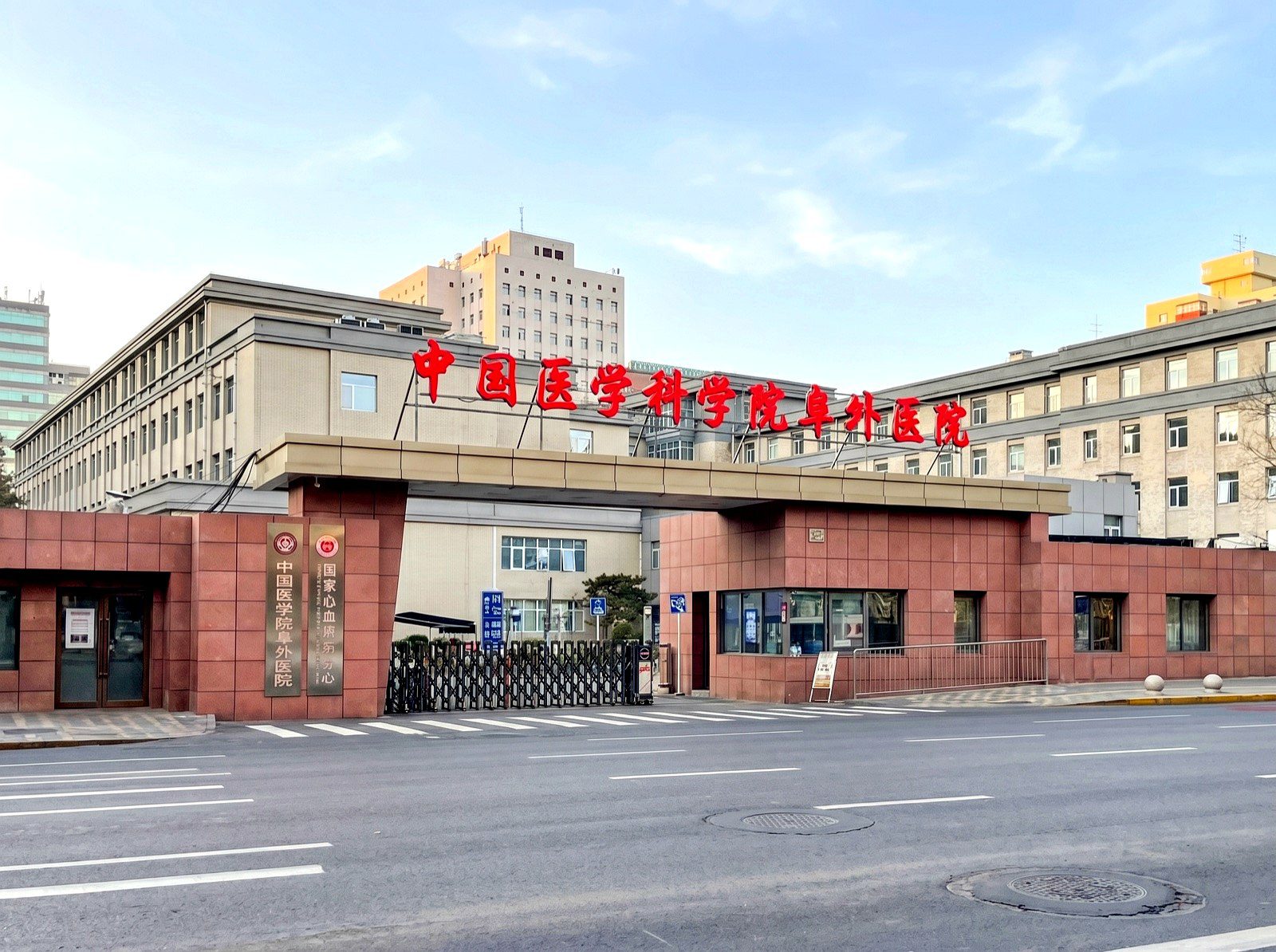
Founded in 1956, Fuwai is one of the world's largest centres for cardiovascular care, host to the National Center for Cardiovascular Diseases and the State Key Laboratory of Cardiovascular Diseases, and has led the country in CMI for many consecutive years. Over the past decade, it has pioneered numerous international and domestic firsts, including the world's first ultrasound-guided percutaneous interventional technique.
Key departmentsCardiology, Cardiovascular Surgery (Adult / Paediatric), Hypertension Centre, Arrhythmia Centre, Heart Failure Centre, Vascular Surgery Centre, Structural Heart Disease Centre, Anaesthesiology, Radiology, Ultrasound, Nuclear Medicine, Clinical Laboratory
Guangzhou广州3 hospitals
The First Affiliated Hospital, Sun Yat-sen University
Founded in 1910, the hospital boasts strong overall capability with 5 National Key Disciplines and 34 National Key Clinical Specialties, and has been rated A++ for three consecutive years in the national performance review of tertiary public hospitals. It pioneered the world's first "ischaemia-free" organ transplant, ushering global organ transplantation into the "warm transplant" era.
A Class A Tertiary general hospital with 2,300 open beds and 23 national and provincial Key Clinical Specialties. Building on flagship departments such as Thoracic Surgery, Cerebrovascular Surgery and Hepatobiliary Surgery, the hospital runs six advanced diagnosis and treatment centres focused on pulmonary nodules, cerebrovascular disease, urological cancer and other disease-specific areas.
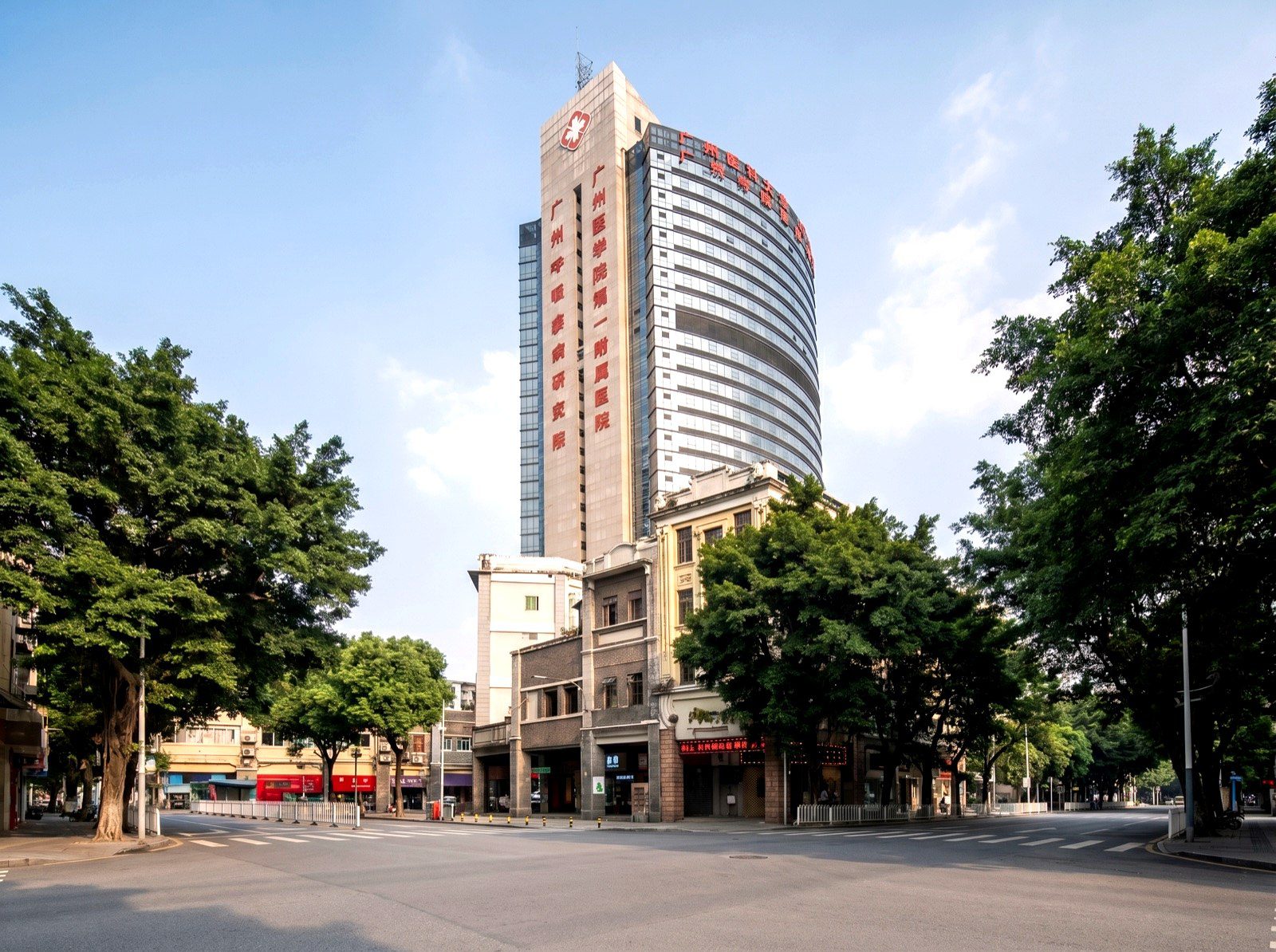
With Pulmonology and Thoracic Surgery designated as National Key Clinical Specialties, the hospital hosts the State Key Laboratory of Respiratory Disease and the National Clinical Research Center for Respiratory Disease. Under the leadership of Academician Zhong Nanshan, its respiratory care has reached internationally advanced standards. As the National Respiratory Medical Center, the hospital has 1,500 beds and holds outstanding authority in pulmonology and critical care.
Opened in May 1994, Sir Run Run Shaw was the first hospital on the Chinese mainland to be JCI-accredited. It operates 49 clinical and medical-technology departments and 150 nursing units, with 4,300 approved beds and over 8,500 staff. Renowned for minimally invasive medicine, the hospital established China's first minimally invasive surgery discipline; its techniques span general surgery, urology, gynaecology and many other fields, with multiple world-first procedures.
Key departmentsGeneral Practice, General Surgery, Minimally Invasive Medicine Centre, Rehabilitation Medicine, Obstetrics & Gynaecology, Urology, Head & Neck Surgery, Orthopaedics, Thoracic Surgery, Colorectal Surgery, Reproductive Medicine Centre, Clinical Laboratory, Ophthalmology, Dermatology, Otolaryngology, Neurology, Cardiology, Gastroenterology, Oncology, Anaesthesiology
The Second Affiliated Hospital, Zhejiang University School of Medicine
Founded in 1869, it is the birthplace of Western medicine in Zhejiang and the country's first Class A Tertiary hospital. Ten of its specialties — including Cardiology, Ophthalmology, Emergency Medicine, Neurosurgery and Burns — rank among the national top ten. National-level platforms include the State Key Laboratory of Transvascular Implantation Devices, and the hospital has achieved numerous breakthroughs in precision diagnosis and treatment.
Founded by Midea founder He Xiangjian with over 10 billion RMB, opened June 2024; 580,000 m² floor area and 1,500 planned beds. Benchmarked to international standards, with a proton & heavy-ion oncology center (South China's first integrated system) and membership in the Mayo Clinic Care Network.
Key departmentsOncology Center, Proton & Heavy-Ion Center, Brain Science & Neurology, Orthopedics & Sports Medicine, Cardiovascular Center, Women & Children, Health Management